
2027 Employee Benefits Research: What People Value and What They Actually Use
An unused benefit is not automatically an unwanted benefit. Research can help distinguish awareness, eligibility, practical access and perceived value.
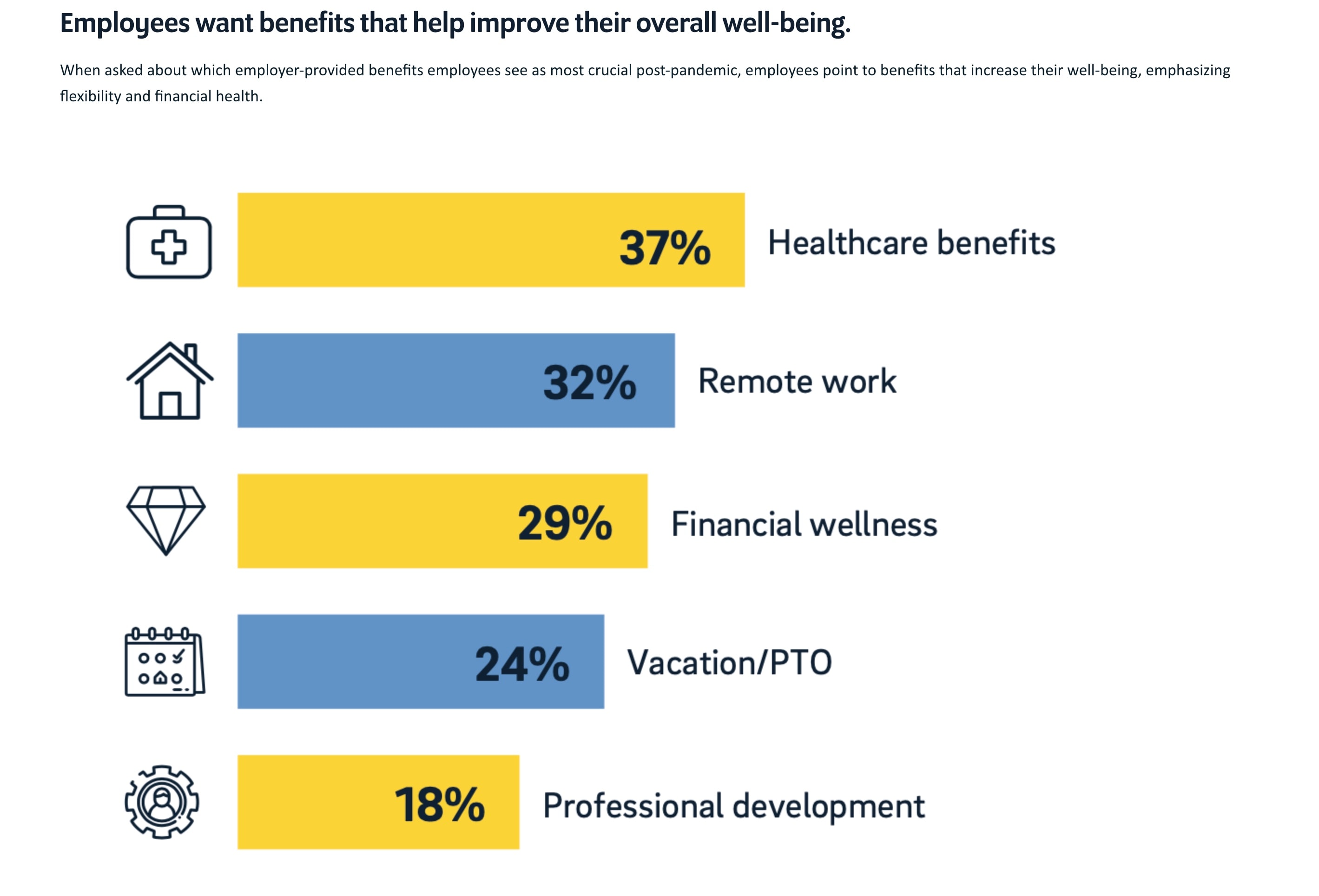
An employee benefit can look valuable in a presentation and barely register in someone's working life.
That does not automatically mean the benefit is a poor choice. People may not know it exists. They may be unsure whether they qualify, struggle to access it or simply not need it right now.
As employers and benefits brands plan research for 2027, I would separate those possibilities. The question is more useful than whether employees like the benefits package. We need to understand how an offered benefit becomes something a person can recognise, access and use.
Start with awareness before asking about use
Ask employees which benefits they believe are available. Then explore how confident they are about eligibility and where they would find reliable information.
It is tempting to begin by displaying the full benefits list. But doing that immediately teaches respondents something and removes the opportunity to measure what they already knew.
The order of questions matters. Measure existing awareness first, then provide clear descriptions if the study also needs reactions to particular benefits. Our methodology page explains why questionnaire design deserves attention before fieldwork begins.
Give nonuse more than one explanation
A person who has not used a benefit may be perfectly happy knowing it is available if their circumstances change. Someone else may want it but face a practical obstacle.
Ask about relevant reasons without treating nonuse as failure. Include people who considered using the benefit and stopped, since their experience can expose a different barrier from simple lack of interest. Include lack of current need, uncertainty, eligibility, difficulty accessing the programme and a preference for another source of help.
Avoid combining these into a single low-engagement category. Each explanation suggests a different follow-up question. More promotion may help an awareness problem, while it will do little for someone who cannot use the service during available hours.
Ask users about the actual experience
For people who have used a benefit, explore what they were trying to accomplish. Was the first step clear? Did they understand the process? Did the experience meet the need that led them there?
Use a defined time period so the findings describe comparable experiences. A benefit used several years ago may have changed considerably since then.
For 2027 planning, I would also distinguish perceived usefulness from reported outcomes. An employee saying a service was helpful does not establish that it caused a particular financial or health improvement.
This is why I like comparing two audiences. HR can explain what the organisation offers, while employees can explain what they recognise and use. Putting those perspectives together gives us much better questions to investigate.
Compare employer intentions with employee experience
CITE's SoFi at Work research surveyed 1,500 HR leaders and employees about workplace financial wellbeing. The paired audience approach examined differences between employer perspectives and employee awareness and experience.
That design illustrates why comparing two groups can be so valuable. HR leaders can describe the support they intend to provide. Employees can explain what reaches them and how it fits their circumstances.
Keep each group's results clearly labelled. Unless participants are connected within the same organisations, the comparison describes audience patterns rather than a direct audit of individual employers.
Decide what the study should improve
An employer might use the findings to clarify information, examine access barriers or investigate a particular programme. A benefits provider may need to understand how its offer is explained to employees after an employer adopts it.
Those objectives require different recruitment and questions. Define the intended use early, and include only the personal information the study genuinely needs.
Benefits brands can also use PR survey research to explore a workplace issue publicly, with clear reporting about who participated and which experiences the findings describe.
Good benefits research gives people room to explain their circumstances without making them feel judged. If you are considering a 2027 study, let's talk about the benefits experience you want to understand. We can help identify where awareness, use and value connect, and where they come apart.
Andrew Edwards is the founder and CEO of CITE Research. His background includes survey research at Nielsen and public relations at Edelman. He helps organisations use original research for business decisions, PR, marketing and thought leadership.
Written by
Andrew Edwards
Andrew Edwards is the CEO of CITE Research, a tactical global market research firm specializing in B2B, PR, healthcare, and hard-to-reach audience research. He has led hundreds of quantitative and qualitative studies for technology, cybersecurity, financial services, and healthcare clients across North America, Europe, and Asia-Pacific. Andrew writes on research methodology, data quality, and the strategic use of original research in B2B marketing and communications.