Cybersecurity Marketing Research: Questions Worth Asking at Infosec World
Infosec World is an opportunity to discuss which market questions cybersecurity brands need original research to answer.
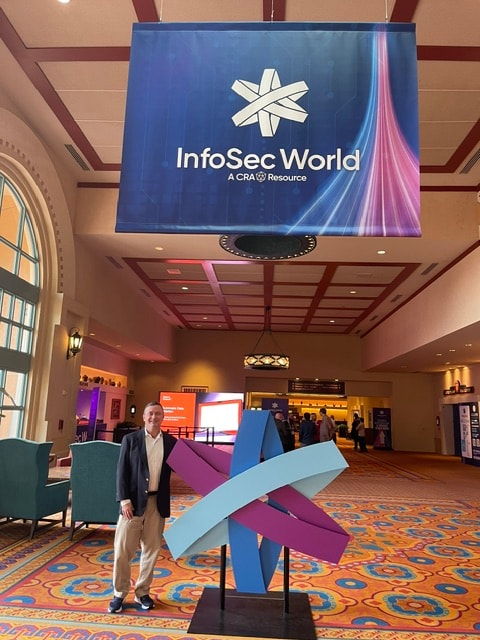
I'm attending Infosec World in Orlando October 12–15. One of the questions I'm bringing to the event is where original research could give cybersecurity PR and marketing teams more useful evidence.
The following are questions to investigate, not findings or claims about what attendees have said. Each could help shape a study for thought leadership, buyer education or business decisions.
Asking whether security matters reveals little. Research becomes more useful when it examines how leaders weigh competing needs, resource constraints and implementation requirements.
Define the timeframe and what counts as a priority. Then recruit people with relevant responsibility for those decisions.
Buyers may consider technical fit, evidence, integration, service and organisational requirements. A study can investigate which criteria matter and where the evaluation process becomes difficult.
B2B market research should distinguish decision-makers from users and other participants in the buying process. Their information needs may differ.
AI governance can be studied from several perspectives: security leaders, practitioners and employees. Each can answer different questions about policy, understanding and use.
Avoid assuming a gap exists. Design neutral measures that can establish whether respondents report differences, and explain the limits of those reports.
Evaluation and implementation are different stages. Research can explore reported integration challenges, staffing constraints, training needs or unclear ownership.
These findings may help product marketing create more useful educational content and give sales teams better context for prospect conversations.
A strong thought-leadership study addresses a question relevant beyond one vendor's product. Consider what journalists, buyers and executives need to understand and what information is currently missing.
Thought leadership research can turn that question into a research programme, allowing findings to support, refine or challenge the initial hypothesis.
Select the audience, define the terms, plan meaningful comparisons and document the methodology. One finding may support a media story; another may be more useful in a report, webinar or sales briefing.
Clear public findings can also create opportunities for traditional and AI search discovery, without guaranteeing citation or visibility.
Written by
Andrew Edwards
Andrew Edwards is the CEO of CITE Research, a tactical global market research firm specializing in B2B, PR, healthcare, and hard-to-reach audience research. He has led hundreds of quantitative and qualitative studies for technology, cybersecurity, financial services, and healthcare clients across North America, Europe, and Asia-Pacific. Andrew writes on research methodology, data quality, and the strategic use of original research in B2B marketing and communications.