Looking Ahead: Why I'm Attending Gartner IT Symposium/Xpo
CITE Research CEO Andrew Edwards shares why attending Gartner IT Symposium in Orlando helps spark better questions about AI, cybersecurity and the future.

Seven years ago, I personally conducted a survey exploring what the City of 2030 would look like.
Looking back today, I'd say about 80% of what we explored has already come true. And with Tesla's new "flying" Roadster demonstration, I'm tempted to say we're closing in on 90%. That last part comes with a smile, of course. A demonstration and everyday adoption are two different things.
I always get excited about research that looks ahead. There's something fascinating about asking people to imagine what comes next, then watching those ideas start showing up in real life.
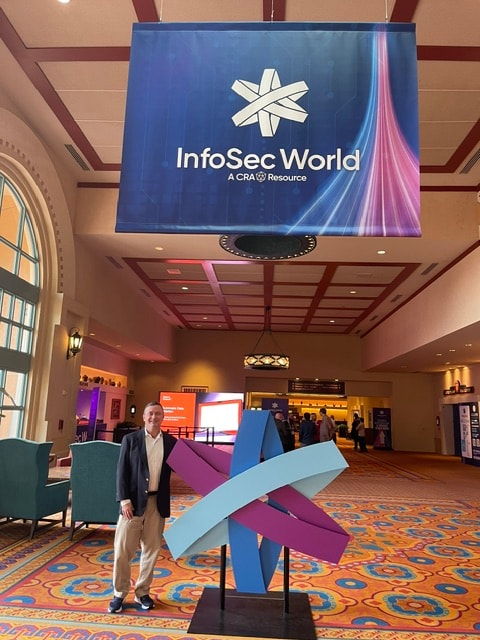
That's part of why I'm attending Gartner IT Symposium/Xpo in Orlando, starting tomorrow, October 19–22.
The future starts with better questions
AI, cybersecurity and changing expectations are giving technology leaders plenty to think about. For me, the most interesting conversations go beyond what a technology can do.
What will people actually use? What will they trust? What will organisations pay for? And what needs to happen before an exciting idea becomes part of everyday business?
Those are research questions as much as technology questions.
A product demonstration can show what's possible. Talking with buyers, employees and business leaders helps us understand what might happen next, what could slow it down and where expectations differ.
Why being there matters
Conferences give me a chance to listen to people working through these decisions firsthand.
I'm interested in the questions people ask after a presentation. The concerns that come up over coffee. The topics that keep resurfacing across conversations with technology leaders, marketers and founders.
Those conversations don't replace a representative survey. They help identify questions worth testing.
At CITE Research, that connection matters. Understanding the conversations happening inside an industry helps us design research that is relevant to the decisions our clients face.
Looking ahead means checking our assumptions
My City of 2030 experience is a reminder of why it's worth revisiting earlier expectations.
Some ideas arrive faster than expected. Others take a different shape. And some encounter obstacles that weren't obvious when the original questions were asked.
Good research helps us track those changes. Repeating key questions over time can show whether interest is becoming adoption, whether trust is growing and whether a business priority is actually getting funded.
For marketing and PR teams, that creates opportunities to tell a stronger story: one grounded in evidence about where an industry is heading.
You can see examples of how original research supports business and communications goals in our client case studies.
What I'm looking forward to starting tomorrow
I'm heading to Gartner tomorrow ready to listen, compare perspectives and come away with new questions.
Which expectations about AI will hold up? How will cybersecurity priorities evolve? What will technology leaders need to understand about their customers next?
We're getting closer to 2030. I'm excited to keep asking what comes after it.
Attending Gartner in Orlando? Let's connect. For more perspectives on original research, visit CITE Research's blog.
Andrew Edwards is the founder and CEO of CITE Research. Drawing on experience in survey research at Nielsen and public relations at Edelman, he helps organisations develop credible quantitative and qualitative research for strategy, PR, marketing, sales and thought leadership.
Written by
Andrew Edwards
Andrew Edwards is the CEO of CITE Research, a tactical global market research firm specializing in B2B, PR, healthcare, and hard-to-reach audience research. He has led hundreds of quantitative and qualitative studies for technology, cybersecurity, financial services, and healthcare clients across North America, Europe, and Asia-Pacific. Andrew writes on research methodology, data quality, and the strategic use of original research in B2B marketing and communications.