On the Road with CITE Research in 2026
Conferences and client meetings across 2026 have reinforced a simple lesson: the best research questions begin with listening to the people who face the decisions.

Since January, I've spent a lot of time talking with people outside the usual research briefing. At conferences, in client meetings, and over coffee, I've heard how teams are trying to make sense of changing markets and explain those changes to the people who matter.
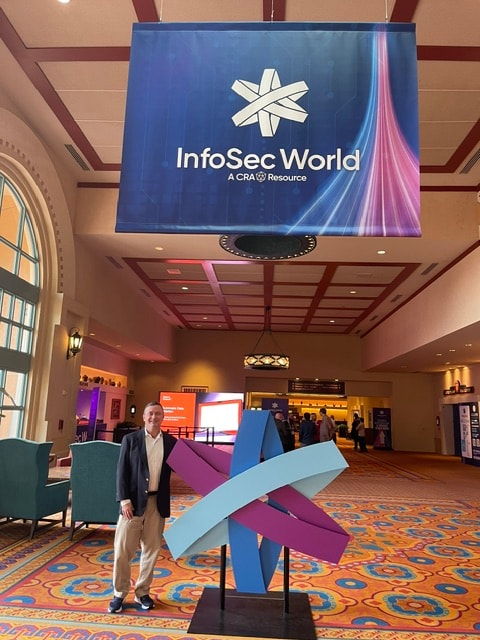
In April and May, my travels included SAP Sapphire, Nexus26, POSSIBLE, SecureWorld, and Bamberg Health. June took me to Dublin, Ireland; Miami twice; and Washington, DC. Along the way, I met with people working in healthcare, technology, cybersecurity, PR, and marketing. One of the Miami events was particularly memorable: a private gathering for story developers and marketers that featured the former head of storytelling at Pixar, held at a $13 million home previously owned by Shakira.
Those are different rooms, but many conversations begin with the same problem. A team has a promising idea or a strong point of view. What it needs next is evidence from the right audience to see whether that view holds up.
The Best Research Questions Begin in Conversation
In healthcare, the question may be how professionals and patients experience a change differently. In enterprise technology, it may be which claims buyers believe and which objections slow a decision. In PR and marketing, it may be what original finding would actually add to a public conversation.
These questions are more useful than starting with "We need a survey." They help determine whom to speak with, whether a survey or qualitative interviews make sense, and what a useful answer would look like.
What Happens After the Findings Matters, Too
One theme has stayed with me throughout the year: research is most valuable when teams know how they plan to use it.
A finding might guide product strategy, support an executive's point of view, inform a sales conversation, or give a journalist credible new evidence. Those uses should shape the study from the beginning, while the questions and analysis remain neutral.
That is especially relevant for organisations thinking about visibility in search and AI-generated answers. Useful, original research gives people something specific to examine, discuss, and cite. Publishing the findings clearly helps that evidence travel beyond the original report.
I'll continue sharing what I learn from these conversations. The opportunity to listen across industries is one of my favourite parts of running CITE Research — and it keeps making our work better.
If we met this year, I'd enjoy continuing the conversation. If we haven't, tell me what question your team is trying to answer.
About the Author
Andrew Edwards is the Founder and CEO of CITE Research, an independent market research firm helping brands turn original data into headlines, marketing content, and business insights. His background includes Nielsen and Edelman, combining research expertise with an understanding of PR and communications.
Andrew works with organisations across cybersecurity, AI, enterprise technology, healthcare, financial services, and other industries. He stays connected to these communities through industry conferences, private events, client meetings, and conversations with the people shaping their markets.
Written by
Andrew Edwards
Andrew Edwards is the CEO of CITE Research, a tactical global market research firm specializing in B2B, PR, healthcare, and hard-to-reach audience research. He has led hundreds of quantitative and qualitative studies for technology, cybersecurity, financial services, and healthcare clients across North America, Europe, and Asia-Pacific. Andrew writes on research methodology, data quality, and the strategic use of original research in B2B marketing and communications.